
If you’ve ever wondered whether a new pair of running shoes can literally shave off seconds off your personal best, you’re not alone. Running stores and social media often make exaggerated speed claims into their marketing. But what does the science of strides really say?
In this editorial, we’ll lace up the evidence, tread through biomechanics research, and kick off with clarity on whether good shoes can help you run faster (and how much faster, if at all).
This guide breaks down the best walking shoes in the world, trusted across the country, with clear verdicts on who each shoe is perfect for, whether you walk for fitness, commute daily, or stay on your feet all day.
Speed in Running: How Does It Really Work?
But shoes aren’t magic. They don’t magically turn you into a marathon runner; they just make your biomechanics work more efficiently.
Here’s the science behind it:
Running speed is closely linked to running economy, the amount of energy you use at a given pace. Shoes that improve economy often help you maintain a faster pace with less effort. PMC+1
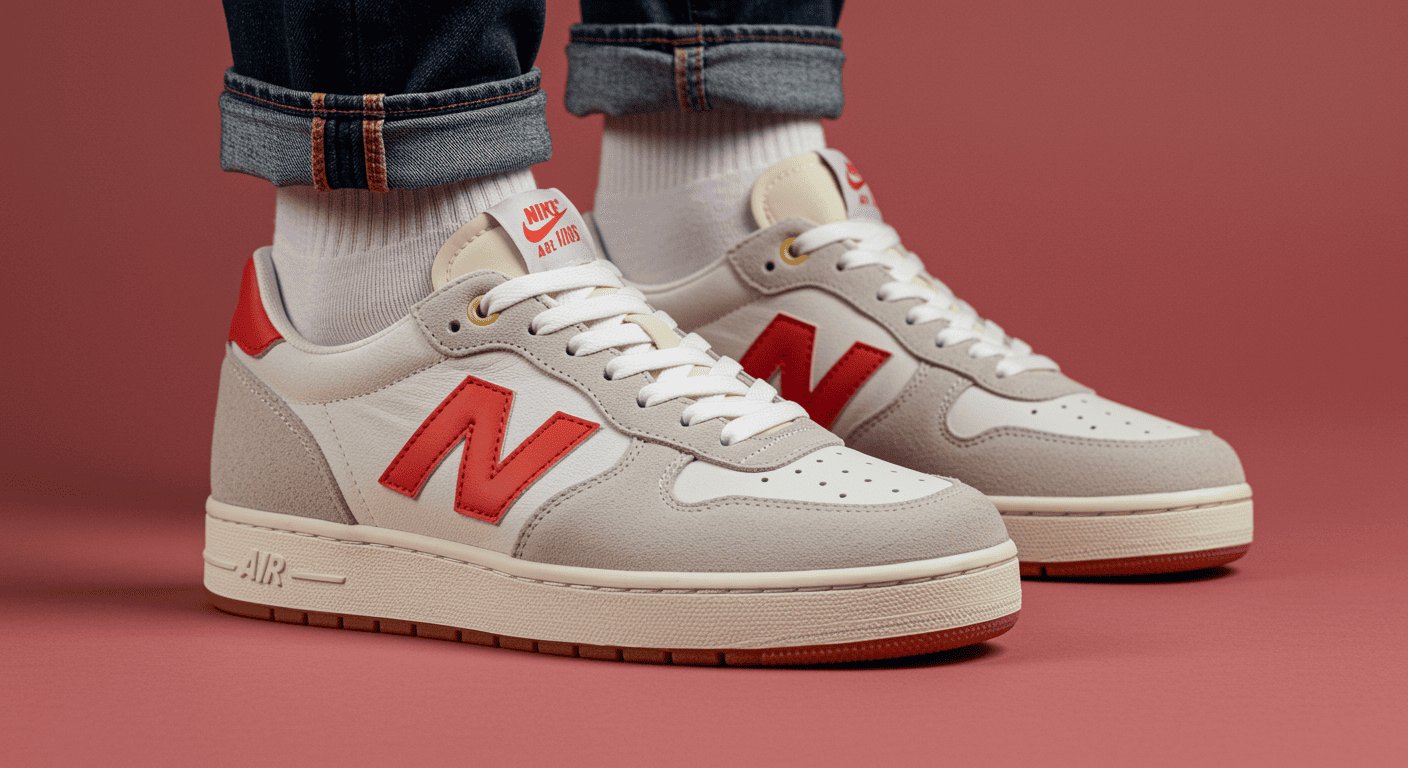
Shoe Tech That Actually Helps You Run Faster
1.Energy Return Through Advanced Cushioning
Some performance shoes use highly responsive foam plus structural elements (like carbon fiber plates) that can:
- enhance energy return
- reduce metabolic cost
- help you turn over steps more efficiently
Studies have shown that elite shoes like the Nike Vaporfly series can improve running economy by around 2.7%–4.4%, which translates to about 0.35 km/h faster speeds in controlled trials. PMC+1
In simple terms:
A shoe with better “bounce back” foam and structural support can help your legs do less work to maintain the same pace, or run faster with the same effort.
2. Stiffness That Converts Stride Into Speed
Research on footwear construction shows that optimal sole stiffness can positively influence running biomechanics, especially for certain runners. A properly stiff midsole can help store and return energy more efficiently during each stride. PMC+1
Think of it like a jumping on a trampoline , if it’s tuned right for your weight and gait, it gives back more of your push with every step.
3. Weight Matters (Seriously)
Studies show that shoe weight isn’t a trivial detail:
- Adding just 100g per shoe can increase energy cost by ~1%, meaning you use more oxygen to run the same speed. precisionhydration.com
This is why elite racers often choose ultralight shoes for speed sessions and race day.
How Do Running Shoes Help?
✔ Improved Running Economy
High-cushion, energy-return shoes reduce the oxygen cost of running, meaning you use less energy at the same speed. For endurance events, this equates to gains that can shave minutes off your finish time. PMC
✔ Stiffer Soles Help With Force Transfer
Shoe constructions that provide optimal stiffness can help with biomechanical efficiency, particularly for middle and long distances. PMC
✔ Lighter Shoes Require Less Energy
Every extra gram on your foot counts. Lighter racing shoes help your legs feel less weight, especially over long distances. precisionhydration.com
When Shoes Don’t Help Speed
Even the best shoes won’t make you faster if:
- Your running form isn’t efficient
- Your fitness and endurance are underdeveloped
- You overtrain or accumulate injuries
Shoes can support speed, but they can’t replace fundamentals. You still need consistent training, strength work, and good pacing strategies to see real time improvements.
So, Do Running Shoes Really Make You Faster?
Yes, but not like a turbo button.
Here’s the truth:
- A good running shoe can improve running economy and make it easier to sustain faster paces. PMC
- Certain advanced performance shoes (e.g., carbon-plated models) have been shown to contribute measurable speed gains in controlled settings. PubMed
Shoes that improve running efficiency may help you:
- Delay muscle fatigue
- Maintain pace longer
- Run slightly faster at the same effort
…but they won’t replace real training. They help you run smarter, not instantly faster overnight.